Ecommerce Marketing Services: A Practical Guide to Sustainable Growth
 Rinky Choudhary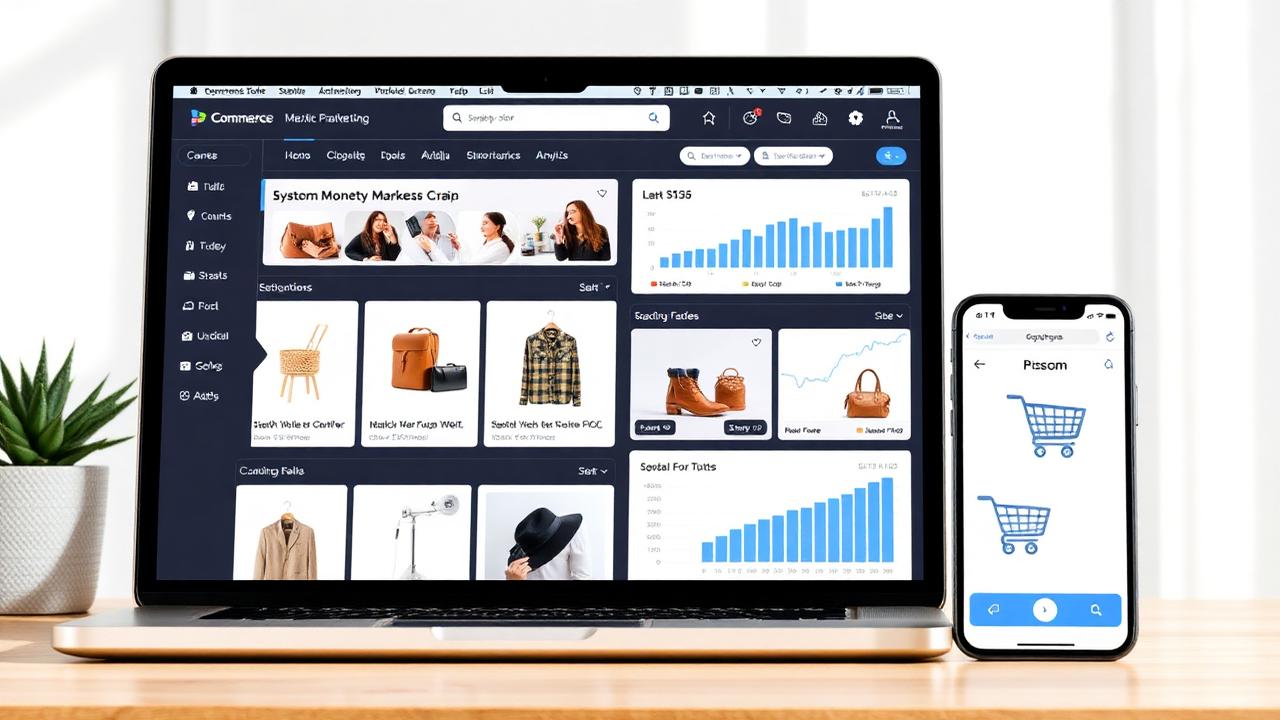
Key Takeaways
- Treat the storefront and marketing as one connected system, not separate jobs.
- Start with the customer journey before choosing channels or tactics.
- Measure revenue and retention, not just clicks and traffic.
- Invest in product pages and site speed before scaling ad spend.
- Consistency across email, search, and social compounds over time.
Selling online has never been easier to start and rarely harder to do well. Setting up a store takes an afternoon; getting the right people to find it, trust it, and come back is the real work. Over years of building and refining online stores, I've watched brands with mediocre products outgrow better ones simply because their marketing was more thoughtful and more consistent. That difference is where good ecommerce marketing services quietly earn their keep.
This guide offers a grounded look at how ecommerce marketing actually works, the challenges that surface along the way, the benefits worth expecting, and the practices that hold up across very different stores. The goal is to help you judge quality and ask sharper questions, whether you run the marketing yourself or bring in a partner.
What Ecommerce Marketing Services Really Involve
It's tempting to picture ecommerce marketing as a collection of tactics: a few ads here, some emails there, a sprinkle of social posts. In practice, the work that lasts is far more connected. It starts with understanding who your customers are, why they buy, and what nearly stops them, then aligns the storefront and every channel around that understanding.
A complete service usually spans strategy, search visibility, paid acquisition, email and SMS, conversion optimisation, content, and analytics. The channels matter, but the connective tissue between them matters more. When email, search, and your product pages tell the same clear story, each one strengthens the others instead of competing for attention.
Start With the Customer Journey, Not the Channel
The most common mistake I see is choosing tactics before understanding the journey. A discount campaign won't fix a confusing checkout, and a clever ad can't rescue a product page that fails to answer basic questions. Mapping how someone moves from first discovery to a confident purchase, and then to a repeat one, reveals where effort actually pays off.
Meet people where their doubt lives
Shoppers rarely abandon a purchase because of price alone. They leave because something felt uncertain: unclear shipping, thin product details, or a checkout that asked too much. Good ecommerce marketing identifies those moments of hesitation and removes them, which often lifts revenue more than any new traffic source.
Acquisition and retention are one loop
Bringing in new customers is only half the picture. The brands that grow profitably treat the first purchase as the start of a relationship, not the finish line. Thoughtful follow-up, helpful email, and a reason to return turn one-time buyers into repeat ones, which is where healthy margins come from.
Common Challenges to Expect
Even capable teams run into the same recurring obstacles. Recognising them early makes them far easier to manage.
Rising acquisition costs
Paid channels have grown more expensive and more crowded. Leaning on ads alone leaves a store exposed to platform changes and shrinking margins. A balanced mix of organic search, email, and retention provides the stability that paid traffic on its own cannot.
Chasing the wrong numbers
Traffic and impressions feel encouraging, but they don't pay the bills. When teams optimise for clicks instead of revenue and retention, they can stay busy while the business stalls. Defining the metrics that matter early keeps everyone honest.
A storefront that undercuts the marketing
Slow pages, weak product photography, and a clumsy mobile experience quietly waste hard-won visitors. No campaign can fully compensate for a store that frustrates people once they arrive, which is why technical and design quality belong in any serious marketing conversation.

The Real Benefits of Professional Ecommerce Marketing
When the fundamentals are handled well, the payoff reaches well beyond a temporary sales bump. Considered ecommerce marketing services typically deliver:
- Profitable, compounding growth: channels that reinforce each other lower the cost of every future sale.
- Lower acquisition costs: stronger conversion and retention stretch every marketing dollar.
- A clearer brand: the discipline of a unified message makes your store easier to remember and trust.
- Higher customer lifetime value: better follow-up turns first purchases into loyal repeat buyers.
- Decisions you can defend: sound measurement replaces guesswork with evidence.
Best Practices That Consistently Pay Off
Fix the storefront before scaling spend
Fast load times, clear navigation, honest product pages, and a frictionless checkout do more for revenue than most campaigns. Improving the experience first means every visitor you attract later is worth more.
Build owned channels you control
Email and SMS lists are assets no platform can take away. They cost little to reach, convert well, and give you a direct line to customers when ad costs spike or algorithms shift.
Let content answer real questions
Helpful guides, comparisons, and product education attract people while they're still deciding. Content that genuinely informs builds trust and brings in search traffic that compounds over time.
Test deliberately, not constantly
Endless small tweaks create noise. Running a few focused tests on the pages and offers that matter most produces clearer answers and steadier improvement than changing everything at once.
Real-World Considerations
Beyond principles, a few practical realities shape every store. Margins set the ceiling on what you can afford to spend acquiring a customer, so knowing your numbers is non-negotiable. Seasonality can swing demand dramatically, which makes planning ahead more valuable than reacting. And because inventory, fulfilment, and customer service all affect the experience, marketing can't be treated as a sealed-off function; it works best when it's connected to the rest of the business.
It also helps to study real examples. Reviewing a portfolio of ecommerce and design work shows how clean storefronts and clear messaging come together in practice, and gives you a useful benchmark for the quality to expect from any partner.
Measuring Whether It Worked
An ecommerce marketing program is only successful if it moves the numbers that matter. Set a baseline before you begin, then track revenue, return on ad spend, customer acquisition cost, and repeat purchase rate. Pair those figures with simple qualitative checks, such as where shoppers hesitate, and you'll know exactly what to refine. The vanity metrics feel good, but the numbers tied to profit and loyalty are the ones that tell the truth.
Conclusion
The strongest online stores aren't the ones shouting the loudest, they're the ones that make buying feel clear and trustworthy at every step. Thoughtful ecommerce marketing services bring that discipline together: a real understanding of the customer, a storefront that supports the message, and channels that reinforce one another. Get those fundamentals right and marketing stops being a monthly expense and starts being a dependable engine for growth.
Ready to grow your online store profitably?
Let's build a storefront and marketing approach that work together to turn visitors into loyal customers. Get a free, no-pressure consultation.
Frequently Asked Questions
What do ecommerce marketing services usually include?
They typically cover strategy, search and paid acquisition, email and SMS, conversion optimisation, content, and analytics. Strong services connect these channels around the customer journey rather than treating each one in isolation.
How long before ecommerce marketing shows results?
Paid channels can show signal within weeks, but durable results from SEO, email, and retention usually build over three to six months. Profitable, compounding growth is a steady climb, not an overnight spike.
Should I fix my website before investing in marketing?
Often, yes. Slow pages, confusing navigation, or weak product pages quietly waste traffic. Improving the storefront first means every marketing dollar afterwards works harder.
How do I measure whether marketing is actually working?
Track revenue, return on ad spend, customer acquisition cost, and repeat purchase rate against a baseline. These tell the real story far better than traffic or impressions alone.
Related articles

Strategy · 9 min
Why a Webflow Expert for Startups Is Worth It
A practical look at why founders hire a Webflow expert for startups: common website challenges, real Webflow advantages, benefits, and mistakes to avoid.
Strategy · 9 min
Landing Page Design Services: A Practical Guide to Pages That Convert
A practical guide to landing page design services, covering planning, common challenges, benefits, and best practices for pages that convert real visitors.

Strategy · 9 min
Website Redesign: A Practical Guide to Getting It Right
A grounded guide to planning a website redesign — when it makes sense, the challenges to expect, and the practices that lead to better results.